
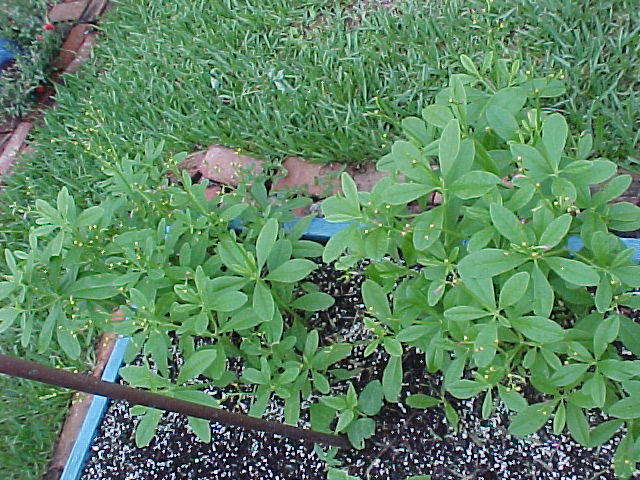
Post #81 Plant Profile: Water Leaf (Talinum Fruticosum, T. triangulare)
Welcome back to our run on tropical leafy greens for the dinner table! This post focuses on a prolific yet underutilized plant in our culture, Water Leaf. It also happens to be quite beautiful with bright green, succulent leaves and attractive small pink flowers. It bears a small, capsule-like fruit which encases its tiny seeds.
In South Florida you may see it more often as an ornamental than you see it as a cultivated edible plant. In other parts of the world, however, it is grown as a lucrative food crop. It grows quickly, ready to harvest in as little as 30 days from seed. In areas of West Africa as well as Central and South America, it is a staple food crop.
Why not here? Mostly, people aren’t familiar with it. So let’s get to know this nutrient rich, easy-to-grow mighty little green and perhaps we’ll see it popping up in more South Florida forest gardens!
How do you eat Water Leaves?
Malabar, Okinawa, and longevity spinach all have their own unique texture and flavor. Water Leaves are no different. With a satisfying crunch when eaten raw or lightly cooked (sauteed, blanched, or steamed), their flavor is pleasantly mild and fresh.
A succulent, Water Leaves retain a lot of water (thus the popular common name). When cooked completely it can have a slimy texture while still maintaining a light crunch. In some cultures this is used as an advantage, such as in okra soup where it provides nice color and texture. Other cultures use it as a thickening agent for staple sauces.
Try chopping the leaves and stems for a stir fry, or add to a soup, stew or sauce just as you would spinach.
If you want to preserve some of your harvest for later, chop the leaves and stems and freeze them. Do not blanch them first, as thet will turn an unappetizing brown.
Word to the Wise
Interestingly, although Water Leaf is not in the same family as common spinach, they share yet another commonality, just as Malabar Spinach does – high oxalate content. These organic compounds found in some plant foods can bind with calcium and iron, inhibiting their absorption in the body.
Some people are more susceptible to the ill effects of oxalates, and some have no issues whatsoever. Just something to keep in mind if you are regularly enjoying these greens in your diet rotation.
It’s fine to eat any of these raw, but if you are sensitive to oxalates, know that cooking removes up to 50% of them and also reduces lectins.
Nutritional Benefits – or 5 Reasons to Love Water Leaves!
- Good for the Bones – high in bioavailable calcium and phosphorus, it’s like a supplement in a leaf!
- Eye Health – rich in vitamin A, make a vision supportive stir-fry by mixing with some carrots and red peppers!
- Immune Booster – Water Leaves are very high in vitamin C, an antioxidant used for many functions in the body to support overall health.
- Protein Packed – combine it with a bowl of quinoa for a high protein vegetarian meal.
- Iron Rich – encouraged during pregnancy in some cultures, this green is a wonder for those prone to anemia – pregnant or not!
How do you grow Water Leaves?
This easy, fast grower is a warm season annual that will self-sow once established after the first season. Truly a no-brainer edible green to plant in your garden.
New plants will keep popping up every year when the conditions are right, but you’ll get more plants if you sow seeds and root cuttings. They do best above 68 degrees F, and will disappear when the weather cools off. March and April is a good month to start cuttings or seeds, and you will see the self-sown plants coming up around April.
If you choose to start your Water Leaf plants from seed initially, follow these guidelines for success:
- Be sure to start with a high quality, organic seed starting soil mix because the seeds are very tiny.
- Moisten the soil before sowing the seeds.
- Start seeds in shallow trays with good drainage.
- Cover trays loosely with a dark garbage bag to retain moisture.
- Use a spray bottle to water so as not to disturb the seeds.
- Germination should take 4-5 days; as soon as they germinate, remove the bag so they can bask in the sunlight they need to grow.
- Move the plants to the garden once they are 5-6 inches tall.
- Water with a gentle rainfall setting on your hose nozzle.
- Harvest when the plant starts producing flower buds. You can just snap off the stems at about 6” above the ground and leave the plant to regrow more stems and leaves. Thus will cause the plant to branch and give you an even larger second and possibly third harvest.
- Near the end of the warm season, leave a few plants to set seed for the next season unless you plan to plant entirely from cuttings.
- If you want to collect seeds, let several plants flower and wait another week. Squeeze a seed head (the swollen base left after the flower falls off) and see if the seeds inside are black. If so, take a last harvest, and separate off the seed heads. Dry them inside, then crush them inside a paper bag. Discard the dried stems and husks.
- At the time of your last harvest, you can also use some of the stems as cuttings to grow in a warm spot.
Pesky Considerations
Generally, Water Leaves are pretty darn resistant to pests and disease. If you do see a problem, consider the health of the plant. Pests and disease tend to attack only when the plant is stressed. Too wet, root rot? Too dry, wilting? See if you can decipher the problem and remedy it.
Aphids, mealy bugs, and whiteflies are the most common pests. You can try pruning the damaged parts of the plant but assessing the root of the issue is probably the only way to save the plant(s).
Where can you find Water Leaves for sale?
You might get lucky at a local farmer’s market, otherwise you can purchase fresh, frozen Water Leaves online.
It’s easiest to grow your own. The seeds may be available at a local nursery, otherwise look online for those as well. And you can always scan your neighbor’s yards for possible cuttings, remember, community makes the gardens go ‘round!
Okay, you know the drill! Tell us, do you grow Water Leaves already? Are you planning to after reading the wonders of this plant here in this post? Tell us all about it in the comments below, you know we love hearing from you!
Until Next time,
Happy Gardening,
Mary