
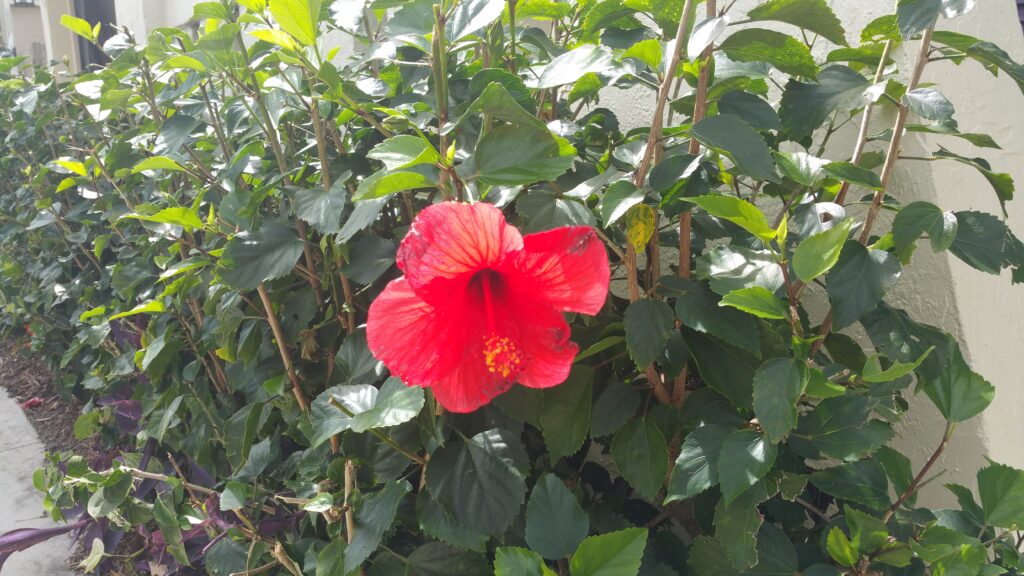
Post #84 Plant Profile: Roselle and False Roselle (Hibiscus sabdariffa and Hibiscus acetosella)
Roselle and False Roselle. Florida cranberry or cranberry hibiscus? It is easy to get quickly confused when it comes to these members of the mallow family, but we’re here to demystify these plant identities for you today!
Roselle (Hibiscus sabdariffa)
Perhaps best known for its edible calyces, roselle is commonly called Florida cranberry, flor de Jamaica, and red sorrel. A truly global plant, it goes by many other names around the world.
A shrub-like plant that can grow as tall as 8 feet if left to its own devices, it has deep red stems and leaf veins, with deep green leaves. It blooms with creamy white flowers. The cranberry red calyx is harvested for a variety of drinks and treats. It has a decidedly sour, yet pleasant flavor, reminiscent of cranberries.
False Roselle (Hibiscus acetosella)
Also commonly called maroon mallow and red-leafed hibiscus, false roselle is known for its edible flowers and leaves. The calyces are not consumed.
Hardier than roselle, it can withstand cooler weather. It is a showy plant with dark pink to maroon blossoms, and cranberry colored stems and leaves. Also shrub-like, false roselle will grow to about 6 feet tall left untrimmed. Its flowers taste similar to roselle’s calyces, and its leaves are similar in taste to sour sorrel with a lemony note.
Both roselle and false roselle are rich in antioxidants, especially vitamin C, and are touted as healthful additions to the diet all around the world.
How do you eat it?
Roselle
Perhaps most commonly consumed as a tea, the fresh or dried calyces can be infused in hot or cold water for an equally healthful drink. Different cultures have different twists on the drink.
A Caribbean favorite is to boil the calyces with bay leaves, then add sugar and drink cold. In Trinidad cinnamon and cloves are added to the pot as well for a holiday drink. In Jamaica it is common to add a slug of rum to the drink. Mint or ginger are other additions depending on the culture. In Mexico it is prepared as a simple agua fresca, just the calyces and sugar blended with water for a cold, refreshing beverage.
In Indian countries it is added to some dal or vegetable dishes. In the Philippines it is added to a common chicken stew. In many other areas of the world it is used in stocks for fish and/or pork dishes.
False Roselle
The flowers can be steeped into a tea or cold drink much like roselle, but milder in flavor. The flowers are more often used as an edible garnish or as an attractive addition to salads for a light lemony cranberry flavor. Blend the raw flowers and leaves into a green smoothie for a boost of antioxidants and refreshing flavor.
The leaves are simply sauteed with garlic for a side of lemony greens, or added to fish dishes and soups for a unique yet welcome sour flavor.
Both roselle and false roselle make wonderful simple syrups and jams too.
How do you grow it?
Both roselle and false roselle grow as perennials in zones 8-11 and annuals in zones 3-7. You can start the plant from seeds or cuttings. Or you can simply buy a small plant and transplant it into your garden.
Tips for starting from cuttings
- Begin with at least four cuttings, 6-12 inches long, in the fall from a healthy, well established plant.
- Remove the bottom leaves from the cuttings and put four at a time into each hole or container with prepared soil, seed starting potting mix, compost, or a mixture.
- Tamp down soil around cuttings to secure them upright.
- Water gently with a watering can or the shower setting on a hose head, keep consistently moist by checking every day.
- The cuttings may wither a bit, but they should perk back up within a few days.
- Continue closely monitoring and watering frequently until the new plants are rooted and established.
Tips for starting from seed
- Start seeds February through April
- To encourage germination, either soak the seeds in hot water or scarify with fine sandpaper to nick the seed coating.
- Using a good quality seed starting potting mix, fill the cells of a start tray to two thirds full.
- Water the soil with a watering can or the shower setting on a hose head until the soil is wet but not drenched.
- Plant prepared seeds in the tray and cover with a thin layer of soil.
- Gently tamp down soil on top to secured the seeds in place.
- Gently water again.
- Place in a warm, south facing window or use daylight-balanced lights in a warm spot.
- Keep the seed tray evenly moist by checking it every day.
- Transplant the starts when they have 1-2 sets of true leaves.
They grow best when planted in the ground due to its deep roots, but it can be grown successfully in containers. Plants in containers will need to be watered frequently, those in the ground will draw water up from deep down in the soil.
They appreciate a well drained soil rich in nutrients. A good mix of light, organic soil and rich compost should do the trick.
A tropical species, they thrive in full sun and tolerate heat well, but interestingly they are considered short-day plants. This means they do best with less than 12 hours of sun a day. This is why their blooms are most prolific in October through December.
Pesky Considerations
Both roselle and false roselle are excellent pollinator plants that will attract many beneficial insects. Ladybugs and lacewings will lay eggs on them, but these are beneficial predators you WANT in your garden. It is prudent to learn what their eggs look like so you do not remove them.
Pests that attack these plants include aphids, whiteflies, spider mites, thrips, caterpillars, and leafminers.
If you successfully let nature take its course and allow for a healthy ladybug and lacewing population, they should attack these pests, thereby protecting the plants. Also, allow room to let oxygen flow through when spacing out plants, this will cut down on wet or mildewy leaves that are an open invitation for pests to attack.
Where can you find it for sale?
If you want to grow the plants from seed, check out your local nursery or buy the seeds online.
Check your local nursery for plants if you want to start that way, just be sure the plant you buy is properly labeled. From one plant you can grow many, just let the flowers form pods and go to seed the first season, then sow the seeds, following the tips above.
If you’ve never tried any drinks or products made from roselle or false roselle, seek some out in health food stores, Mexican markets, or online to gain an understanding of the flavor profile before you begin growing it yourself.
If you are an avid follower of our blog, or if you have merely poked around our website a bit, you probably know we love our forest gardens for their beauty as much as their functionality.
While many gardens grow exclusively for one or the other, we pride ourselves in finding the balance between ornamentals and edibles. When we find a plant that functions as both, we write about it!
Roselle and false roselle are remarkable examples of gorgeous ornamentals that double as functional, nutrient dense edibles. What are some of your favorite plants that possess these traits? Are they growing in your garden? Share with us in the comments below, we love hearing from you!
Until Next time,
Happy Gardening,
Mary