
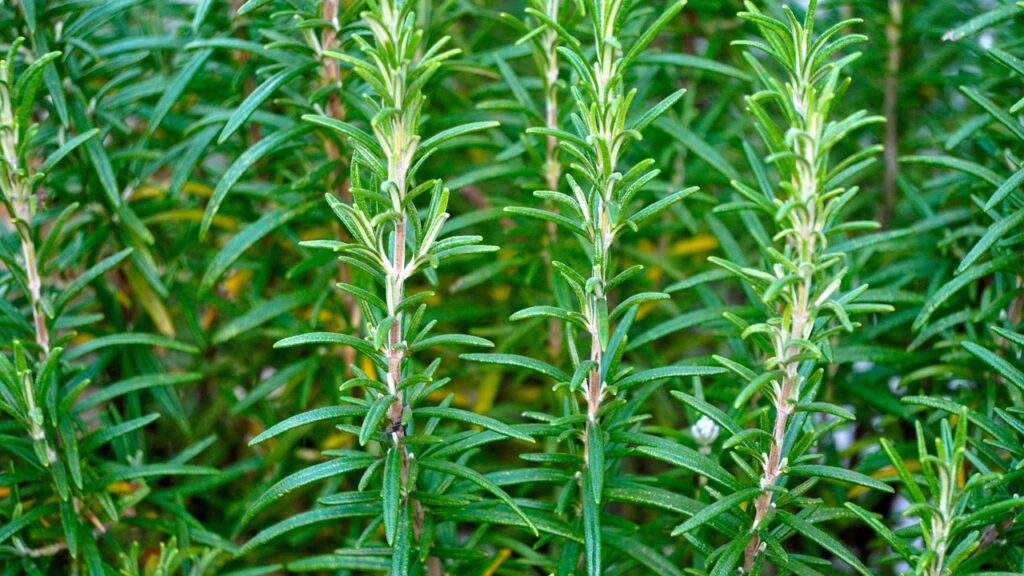
Post #119 Plant Profile: Rosemary (Rosmarinus officinalis)
Oh, rosemary! With its piney-fresh scent and delicate tiny flowers blooming amongst it’s rough, essential oil-rich needles, what a joy to behold! This woody perennial has long been a star in the culinary world, yet it has potent medicinal value too. And who can deny the beauty of a fragrant rosemary hedgerow?
Certainly not us here at South Florida Forest Gardening! Up north a hedgerow of rosemary might be unheard of, but here in gardening zone 11a we are spoiled by sweet rosemary year-round. It makes a fantastic bush if left to its own devices, but it also takes well to pruning. More on that later.
Native to the Mediterranean regions of Europe, this plant is no stranger to dry heat and sandy soil. Here in South Florida, we need to be sure our rosemary is in very well draining soil, especially when planted directly in the ground. It does not like a backlog of water. Not an issue in the dry season, it’s the rainy season that we need to watch out for.
Rosemary makes itself quite at home in a pollinator garden. The birds and bees especially love this plant in full bloom. The tiny flowers bloom in white to lavender. The pollen adds a really nice flavor to honey, so if you are a secret bee-keeper (don’t worry, we won’t tattle to your HOA), keep it by your hives!
So whether you keep it as a bushy wild child, a neat hedgerow, a tender culinary specimen, or for medicinal use, let’s dive into its benefits, then discuss how to grow and harvest it for maximum usage!
Health Benefits of Rosemary
- Antioxidant Rich – carnosic and rosmarinic acids, both found in rosemary, boast powerful antibacterial, antiviral, and antifungal properties. Antioxidants promote general health as well as lowering the risks and severity of many diseases.
- Mood Booster – feeling down? Sniff some fresh rosemary! No really! Preliminary studies (and lots of real, live people, including us) report that the scent of rosemary reduces stress and anxiety. So, grab a fresh bundle for your desk or put a few drops of rosemary essential oil in a diffuser to lighten up a room!
- Hair and Skin Health – From inflammatory skin conditions to antiaging, use rosemary on your skin. Add some essential oil to your body lotion or to a carrier oil like almond oil and slather it on. It is also known to stimulate hair growth, so add some essential oil to your conditioner, or massage in a carrier oil directly onto your scalp.
- Pain Reliever – a mild analgesic, it is a known pain reliever. It may reduce neuropathic pain as well. Never use directly on an open wound, however, and always defer to your primary care physician before using for known pain conditions.
- Memory Enhancer – Studies show that this mighty herb has positive effects on memory, cognition, and learning abilities. It can help enhance concentration as well. This is good news for both the young and their elder counterparts. Keep it around during difficult semesters or mentally draining work projects and gift it to your grandparents too!
How do you use Rosemary?
This plant has a variety of uses inside and outside the home. You can grow it for a single purpose, or for multiple purposes simultaneously.
Culinary Uses
- Fresh or dried, use the needles in soups and stews for a deep mediterranean flavor. Use a bit of cheesecloth or a sachet bag to keep the needles separate from the broth if you’d like.
- Use fresh, snipped needles in marinades for lamb – it’s a great match for chicken too.
- Add needles to homemade breads or other savory baked goods before popping in the oven.
- Use the woody stems and branches as skewers for meats or vegetables. Use freshly harvested sections or soak dried pieces to avoid catching them on fire.
Medicinal Uses
- Make a tea by steeping fresh or dried needles in water, strain and enjoy as a general health tonic.
- Infuse whole stems, needles intact, in apple cider vinegar and use as a hair rinse for scalp health and follicle stimulation.
- Diffuse the essential oil in a diffuser or a pot of simmering water to lift your mood.
- Make an immune tincture by packing a mason jar full of freshly dried rosemary needles, oregano leaves, thyme leaves, and smashed garlic cloves. Cover to the top with apple cider vinegar or 80 proof vodka and leave for 6-8 weeks in a dark place, shaking occasionally. Strain off liquid and take a ½-1 tsp. daily to build the immune system.
Garden Aesthetics
- Plant a fragrant hedgerow – this makes a nice garden or property border.
- Plant one or two babies with enough room to let them grow wild. They will grow up to around 4 feet tall and wide, making them a nice centerpiece for a low-lying garden area.
- Grow in a culinary bed near the house for easy access. Keep it trimmed by harvesting for use, this way you will always have tender, new growth.
- Grow in a pollinator garden and use the cuttings for medicinal purposes when you prune.
How do you grow Rosemary?
You are not going to get rosemary to grow from a seed of any sort, so forget that. You can either buy, trade, or be gifted a plant, or you can grow plants from cuttings.
If you choose to transplant a seedling, remember rosemary prefers a very well draining soil and at least 6 hours of full sun, so plan accordingly when scouting a spot to grow it in your garden. For best results, transplant in early spring and keep lightly moist until established.
From Cuttings
- Gather a bunch of cuttings at least 6 inches long from an existing plant.
- You will get best results from soft or new growth cuttings.
- Strip the bottom 2 inches of needles off, leaving the stem bare.
- Using clean snippers, snip the bottom end of the cutting at an angle.
- Optional but helpful – dip the newly cut ends in cinnamon to prevent stem rot.
- Place several of the cuttings in a small container of water or sandy soil, either will do.
- Water method
- Place in partial shade
- Change out water every few days
- Transplant to sandy soil about 4 weeks after starting, or when roots have formed
- Sandy Soil Method
- Place in partial shade
- Keep watered but let mostly dry out between waterings
- Transplant cuttings to their own pots or into the garden about 4-6 weeks after starting, or when roots have formed
A Note on Pruning:
Rosemary doesn’t like hard pruning. In fact if you prune too hard in one session, you may lose your plant. Instead, harvest stems frequently, taking them from the outside of the plant. Cutting off just a few inches all around when the plant is small will encourage it to bush out and get a nice shape. As the plant grows, you can harvest longer stems.
~
Rosemary adds a splendid mood lifting feel to a kitchen counter bouquet – beauty AND brains?! That’s what we’re all about! And a healthy kick to boot. Oh, did you forget to harvest some for your dinner meat marinade? No worries, grab from your flower arrangement! Ah, the versatile rosemary plant is at it again.
What do you use your rosemary for? If you don’t have a rosemary bush in your garden, why not? Go get one today! If you do, and you love it, share a picture of it below, you know we love to hear from you!
Until Next time,
Happy Gardening,
Mary