
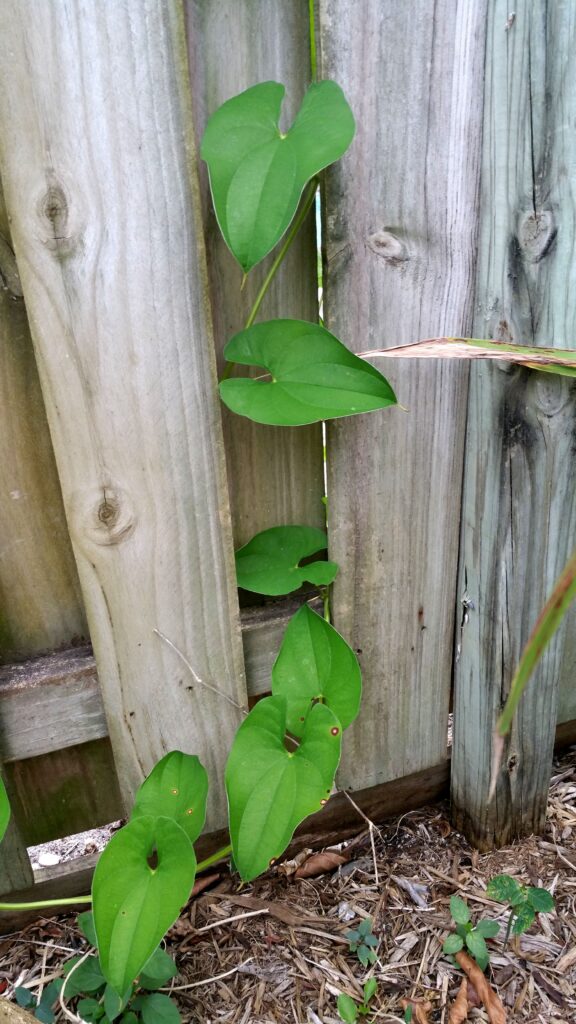
Post #75 Plant Profile: True Yam
What is a true yam?
When you go to the grocery store or the farmer’s market, the plethora of baskets filled with multicolored tuber varieties and species can be quite expansive. White, yellow, orange, purple, and even blue varieties enter the landscape. Then there are the labels: potatoes, sweet potatoes, yams… russets, jewels, fingerlings, ubes, goldens… What do you do with all this information and how do you choose which variety to purchase for which recipe?! And what the heck is a TRUE yam anyways?
For this post, we will stay true to our plant profile series and chuck any tuber that isn’t a true yam out of the running. Yes, most of us can appreciate the humble potato, but this is not its day to shine.
True yams are in the Dioscorea family, an entirely different family than white potatoes, sweet potatoes, or any potatoes for that matter. The plant is a hardy and fast growing perennial vine that produces decent first year tubers and more mature second and third year tubers. Many varieties such as the Chinese, Guinea, Ube (Filipino variety), and Okinawan (Hawaiian variety), love our South Florida climate, thriving in the heat and humidity it offers.
How do you eat them?
Yams are starchy and not as sweet as sweet potatoes tend to be. The Chinese and Guinea yams are white to yellow fleshed and make a great substitute for white potato varieties. Similar to yuca in texture, the flesh is drier than that of many other species of tubers. The Okinawan variety is purple fleshed and a bit sweet, they adapt well to both sweet and savory dishes. The Ube variety is sweeter and is often traditionally used in desserts although it can be found in some savory dishes as well.
Always cook yams thoroughly. They tend to be high in oxalic acid, which can bother your throat and digestion when eaten raw. Prepare them by peeling their skin off, unlike many potato varieties, you won’t want to eat that. Otherwise, prepare and eat them as you would potatoes. They are especially good baked, fried, and in soups.
Yam leaves are toxic and look similar to those of sweet potatoes, though the family is different. So for safety’s sake, stick to harvesting the tubers only for eating.
How do you grow true yams?
Plant
Perhaps the easiest way to start the plants is to buy yams at the store, cut off the heads and plant them sprout (skin) side down. Asian and Hispanic markets tend to carry them, although tubers are often available at local plant nurseries or farmer’s markets as well.
Plant yams any time of year. They may go dormant after you plant them, but they will sprout when they’re ready to grow. The natural dormant season for yams is the dry season.
Buy tubers from your local grocery stores and Asian and Hispanic markets. The more varieties, the better. Plant them early in the warm season and trellis the vines or weave them over a fence.
Make a 3’ wide mound 1’ tall and plant a few tubers in the center. You can also plant pieces. It’s good to dust the cuts with ashes to help prevent infection. Yams are highly productive, sometimes yielding up to 40 pounds of tubers from a single mound! When they are ready to harvest, the vines will start to die down, so you may want to mark them in your garden calendar at some point in November or so.
Harvest and Plant Again
Yams are harvested December through January. When you go to harvest them, carefully fork up the area under where the vine comes out of the ground. Take out the side tubers and gently pull up the main tuber the vine is growing out of. Without cutting the vine, cut off the top of that tuber just below the shoulders. Then settle it back in the ground and water it. It should grow back again and produce more tubers next year.
Beware of Air Potatoes and Other Concerns
The Air Potato (D. bulbifera) is a perennial vine that is invasive in Florida. It bears little bulbs called bulbils on the vine as well as developing a large, starchy tuber. The vine dies down in cool weather, then re-sprouts from the tuber and from bulbils on the dead vines.
Be cautious of wild yams. Some of the yams growing wild here in South Florida are escaped cultivated varieties, but others are truly wild and may be poisonous. In edible varieties, both tubers and bulbils may be eaten, but only if cooked. It is important to properly identify any wild plant before eating it.
Where can you find true yams for sale?
This can prove to be tricky as true yams are not cultivated on a commercial level in the United States. You will most likely find them at farmer’s markets or specialty produce stores. Your best bet is to know the names of common yam varieties, check out produce labels, and if they are ambiguous, ask the vendor which variety of yam it is that they are selling.
With just under 600 varieties to choose from, you won’t soon get bored! Not all varieties grow well in South Florida, but some you will see imported and sold locally. I like to try every variety I see. When traveling, keep your eyes out for varieties you haven’t come across around here. Try them out and report back here!
As always, we love hearing from you, our readers. Drop a question comment in the section below and we’ll be sure to get back to you.
Until Next time,
Happy Gardening,
Mary